Summer Eating During Cancer Treatment: A Practical, Evidence-Based Guide
Summer eating during cancer treatment comes with a question most food content never asks. When the hydration hacks, raw salads, and picnic spreads are everywhere online, the useful question isn’t "Is this healthy?" it’s "Is this safe for my treatment, my immune system, and my symptoms today?" This guide walks through three practical checks: hydration, food safety, and eating through side effects, so you (or the person you’re cooking for) can enjoy the season safely.
Key Takeaways
◉ Dehydration is one of the most common side effects of cancer treatment, and summer heat compounds it; fluids come from foods and broths too, not just water.
◉ Certain warning signs: can’t keep fluids down, heavy diarrhea, dizziness or confusion, very dark urine. Mean call your care team the same day.
◉ Cancer and some treatments can weaken the immune system, making foodborne illness both more likely and more serious; the four basics (clean, separate, cook, chill) do most of the protective work.
◉ Strict "neutropenic diets" have not been shown to lower infections or deaths compared with standard food safety; specific food restrictions should come from your care team based on your counts and treatment.
◉ When symptoms make eating hard, cold, small, protein-forward foods are often easiest; the best food is the one you can tolerate that day.
◉ None of this replaces your oncology team or dietitian, especially after a transplant or with low blood counts, where rules may be stricter.
Why summer eating is different during treatment
Three factors can stack up in summer. Heat increases fluid loss. Treatment side effects: vomiting, diarrhea, fever, sweating, and reduced intake can increase it further. And for some people, treatment lowers immune defenses, which raises the stakes on food safety. None of that means giving up summer; it means running a few decisions past a different filter.
Hydration: more than "just drink more water"
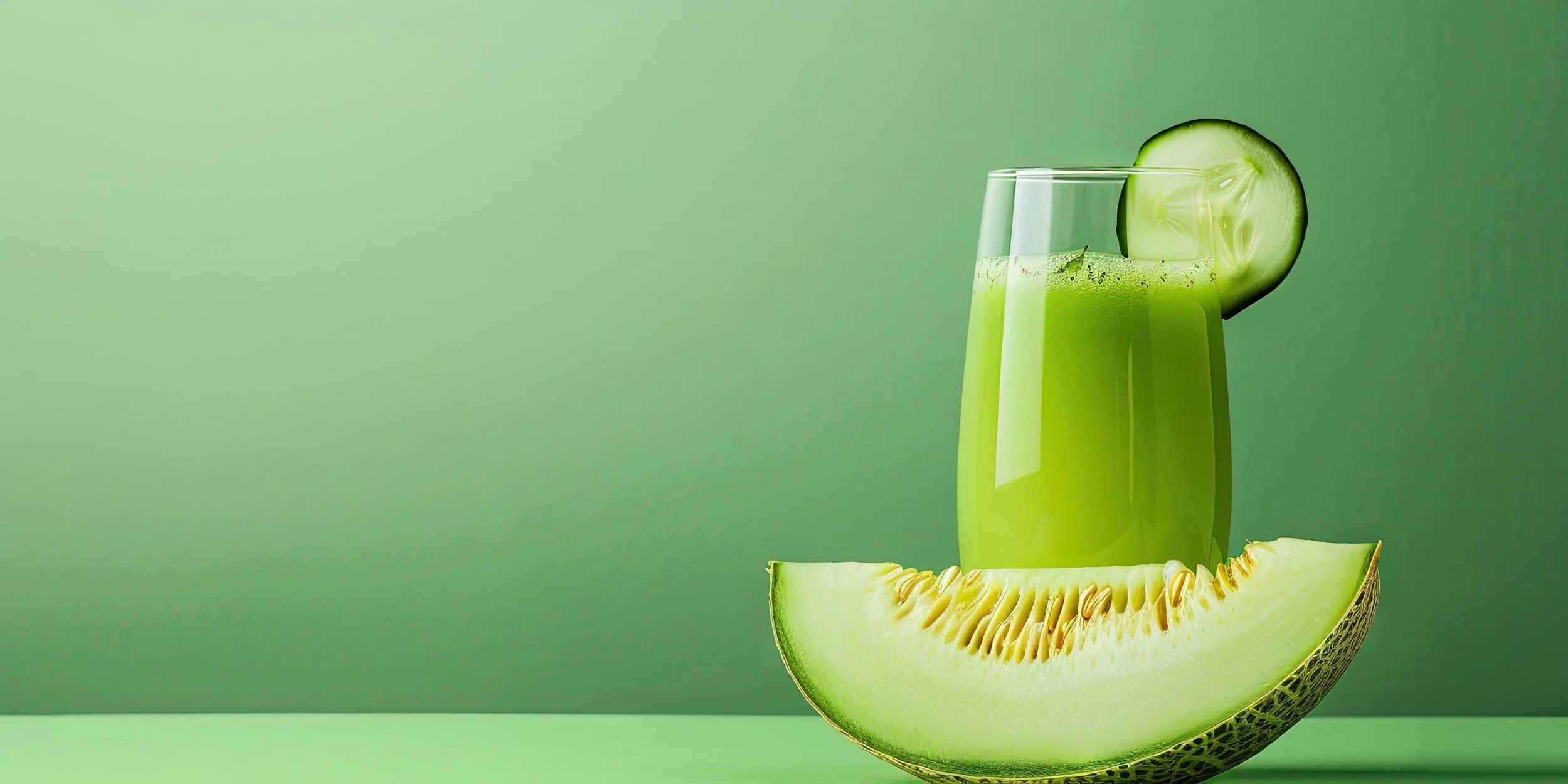
Dehydration is a well-recognized side effect during cancer treatment, driven by heat, vomiting, diarrhea, fever, sweating, medication effects, or simply drinking less, according to patient guidance from MD Anderson, the American Cancer Society, and Cancer Research UK.
Fluids don’t have to come from a glass of water. The AICR notes that beverages and water-rich foods both contribute. Think melon, cucumber, soups, and smoothies, which can also be easier to get down when you’re not feeling well.
One important caveat: more is not automatically better. Some people are advised to limit fluids because of kidney or heart conditions or other factors, so the right amount is individual. Ask your care team how much fluid is right for you, and whether electrolyte or oral rehydration drinks are appropriate in your situation. If cost is a concern, a pinch of good-quality salt and a squeeze of fresh lemon or lime in water is a simple, low-cost option to discuss with your team rather than buying specialty electrolyte packets.
When to call your care team the same day: if you can’t keep fluids down, have significant diarrhea, feel dizzy or confused, or notice very dark or very little urine. These can signal dehydration that needs prompt attention.
Food safety and immune status
Food safety carries more weight during treatment because cancer and some therapies can weaken the immune system, which the FDA and FoodSafety.gov note makes foodborne illness both more likely and potentially more serious.
The foundation is four steps the CDC and FoodSafety.gov emphasize: clean, separate, cook, chill. Wash hands and produce; keep raw meat away from ready-to-eat foods; cook meat, poultry, eggs, and fish to safe internal temperatures (a food thermometer is more reliable than appearance; poultry to 165°F, whole cuts and fish to 145°F); and keep hot foods hot and cold foods cold rather than letting them sit out.
For summer specifically, safer choices include produce you wash and peel yourself over pre-cut trays left out, and steaming-hot buffet options over room-temperature spreads.
What the evidence says about the "neutropenic diet"
Many people encounter the strict "neutropenic diet" online, a plan that bans all raw fruits and vegetables. The evidence does not support it as a blanket rule. A 2022 systematic review and meta-analysis of six studies (1,114 patients) found that a neutropenic diet did not reduce infection or mortality compared with standard food safety (Ma, Lu & Liu, Front Oncol, 2022). A Cochrane review similarly found no randomized-trial evidence that a low-bacterial diet prevents infection.
The practical takeaway is not "raw food is always fine" nor "ban everything." It’s that solid food-safety habits do the heavy lifting, and any specific restrictions should come from your care team, individualized to your counts, treatment, and transplant status, as Memorial Sloan Kettering and the NCI both frame it. This is why copying a stranger’s chemo food rules online can mislead: one person’s strict precaution may reflect a transplant, while another patient was never given those limits.
Eating through symptoms
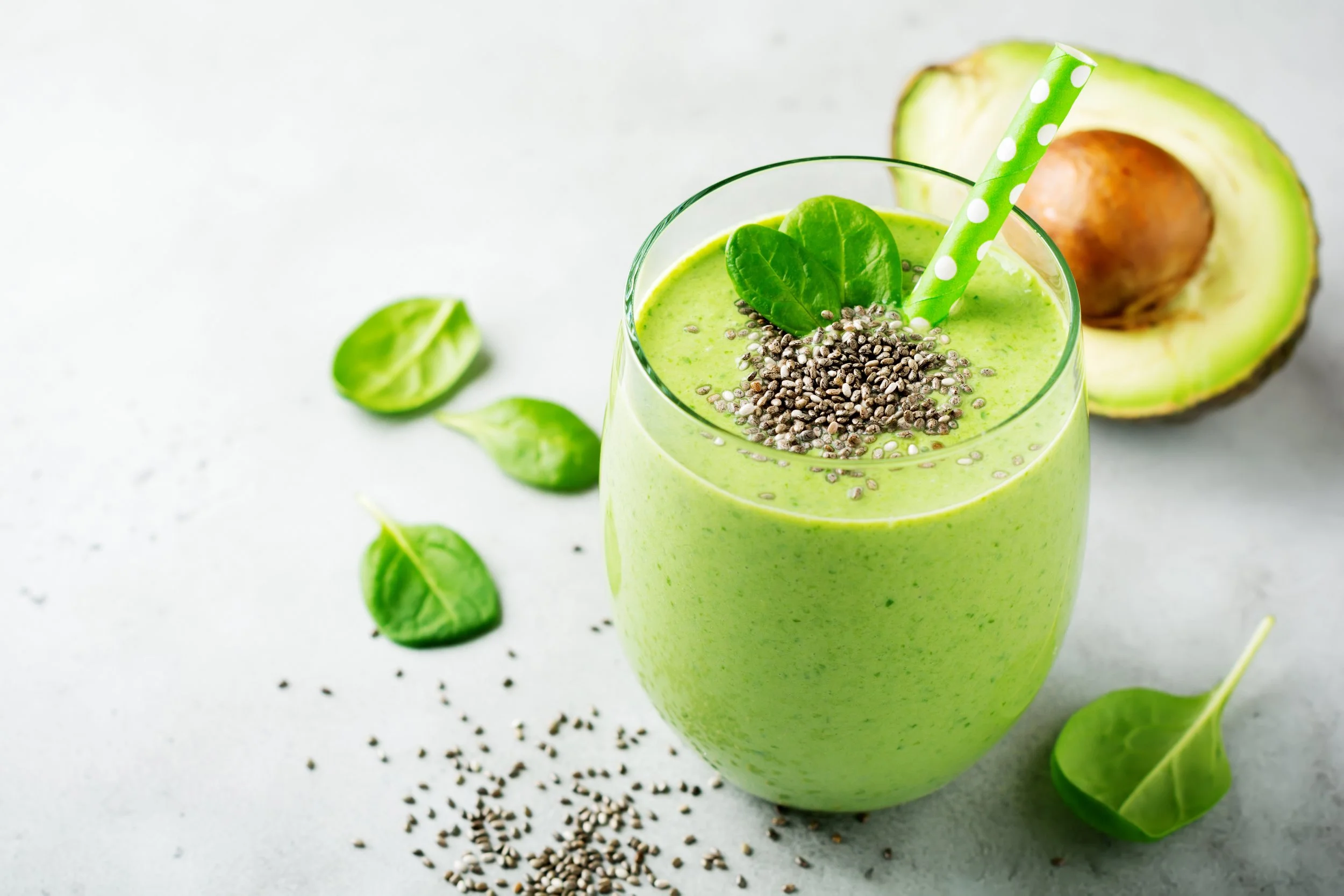
On many days, symptoms, not trends, decide the menu. Nausea, taste and smell changes, mouth sores, dry mouth, diarrhea, and low appetite can all make eating harder. The NCI’s Nutrition in Cancer Care guidance suggests small, frequent meals, leading with high-protein foods when appetite is strongest, and drinking smoothies, soups, or shakes when solid food is difficult.
Summer makes some of this easier. Cold or room-temperature foods tend to smell less intense, which helps when odors trigger nausea. Chilled soups, smoothies, and yogurt (if appropriate for you) are good options. Smoothies are especially useful: cold, sippable, and easy to fortify with calories and protein. Two rules: make them with ingredients that are safe for you, and drink them fresh rather than letting them sit warm.
Planning it with less stress
When you’re balancing "cold and soft today," a protein goal, and a few foods your team asked you to avoid, planning tools can reduce the daily mental load. MealGrove by NutriLiv can turn preferences, exclusions, and side-effect needs into a meal plan and grocery list, and NutriLiv can help you organize evidence-based food information in one place. Neither replaces medical guidance; decisions about what’s medically safe for your counts stay with your care team.
Data at a glance
References
1. National Cancer Institute. Infection and Neutropenia During Cancer Treatment. https://www.cancer.gov/about-cancer/treatment/side-effects/infection
2. National Cancer Institute. Nutrition in Cancer Care (PDQ). https://www.cancer.gov/about-cancer/treatment/side-effects/appetite-loss/nutrition-hp-pdq
3. American Cancer Society. Dehydration and Lack of Fluids. https://www.cancer.org/cancer/managing-cancer/side-effects/eating-problems/fluids-and-dehydration.html
4. MD Anderson Cancer Center. Cancer treatment side effect: Dehydration. https://www.mdanderson.org/cancerwise/cancer-treatment-side-effect--dehydration.h00-159305412.html
5. Cancer Research UK. Dehydration when you have cancer. https://www.cancerresearchuk.org/about-cancer/coping/physically/diet-problems/types/not-enough-fluid-in-your-body-dehydration
6. American Institute for Cancer Research. How to Stay Hydrated. https://www.aicr.org/resources/blog/how-to-stay-hydrated/
7. FoodSafety.gov. People with Weakened Immune Systems. https://www.foodsafety.gov/people-at-risk/people-with-weakened-immune-systems
8. U.S. FDA. Food Safety for Older Adults and People with Cancer, Diabetes, HIV/AIDS, Organ Transplants, and Autoimmune Diseases. https://www.fda.gov/food/people-risk-foodborne-illness/food-safety-older-adults-and-people-cancer-diabetes-hivaids-organ-transplants-and-autoimmune
9. CDC. Safer Food Choices for People With Weakened Immune Systems. https://www.cdc.gov/food-safety/foods/weakened-immune-systems.html
10. Memorial Sloan Kettering. Food Safety During Cancer Treatment. https://www.mskcc.org/cancer-care/patient-education/food-safety-during-cancer-treatment
11. Ma Y, Lu X, Liu H. Neutropenic Diet Cannot Reduce the Risk of Infection and Mortality in Oncology Patients With Neutropenia. Front Oncol. 2022;12:836371. https://pubmed.ncbi.nlm.nih.gov/35356218/
12. van Dalen EC, et al. Low bacterial diet versus control diet to prevent infection in cancer patients treated with chemotherapy causing episodes of neutropenia. Cochrane Database Syst Rev. 2016;CD006247.pub3. https://pmc.ncbi.nlm.nih.gov/articles/PMC6466670/